Look, I know exactly how it goes, you spot a leaky tap, a slow drain, or a toilet that won’t quite flush right and think, “I’ll get to that eventually.” As a local Adelaide plumber, I know it’s tempting to put off plumbing repairs, especially when they seem minor and your to-do list is already a mile long. But the truth is, waiting can end up costing a lot more than getting it sorted straight away.
Delaying plumbing repairs isn’t just about risking bigger leaks or burst pipes, it can mean higher water bills, structural damage, and even health risks if mould gets a chance to spread. In the end, what seems like a way to save money now can turn into a seriously expensive problem later, and nobody wants to blow their weekend budget on a busted pipe.
So, let’s get stuck into it and take a look at the real costs of putting off plumbing repairs and why dealing with them sooner rather than later is always the smarter move.
The real cost of “just a little leak”
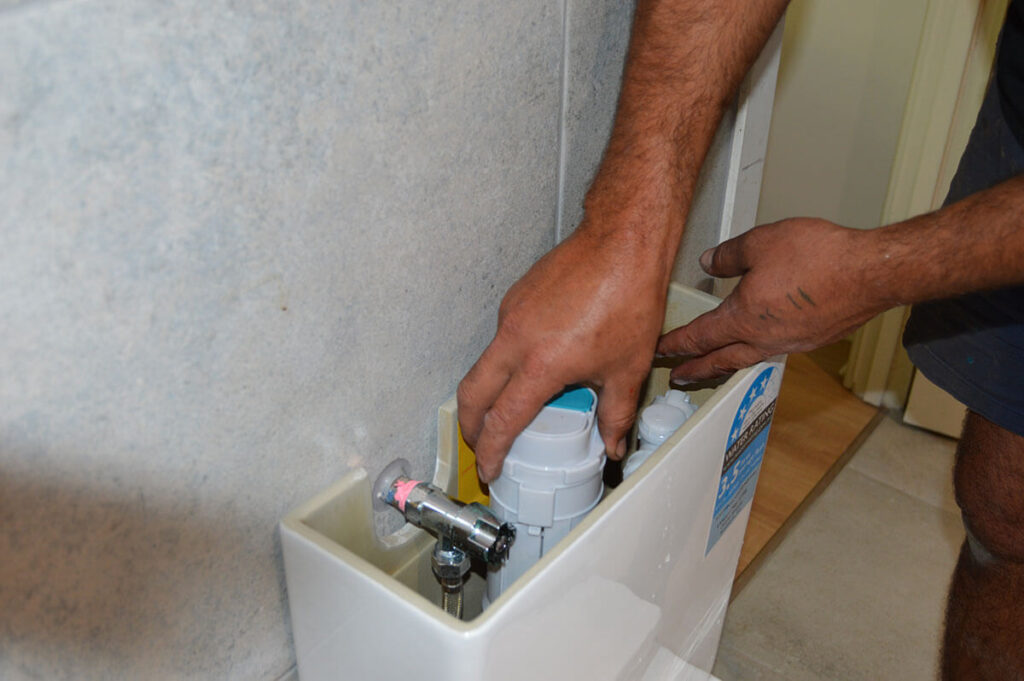
A dripping tap might seem like the least of your worries, but those little drips add up fast, both on your water bill and in potential damage. On average, a tap that drips once per second can waste over 12,000 litres of water a year. In a place like Adelaide, where water isn’t exactly cheap, that’s money quite literally down the drain, it’s like throwing your cash straight into the Torrens!
But it’s not just about wasted water.
Even a slow leak can cause hidden damage to cabinets, floors, or walls over time, leading to warped wood, peeling paint, or even rot if it’s left too long. In the worst cases, a seemingly harmless leak, the kind where you think ‘she’ll be right’, can weaken structural elements, especially if it’s been dripping into places you can’t see, like inside walls or under floors. I’ve had to rip up plenty of gorgeous timber floors because a tiny drip went ignored.
Dealing with leaks quickly doesn’t just save you money on your water bill, it also stops them from turning into major repairs that can cost thousands to fix. Replacing a tap washer is a ten-minute job for your local plumber that costs a few dollars; replacing water-damaged cabinets or flooring isn’t.
Rising water bills: When small issues cost big money
Ever been surprised by a water bill that’s higher than usual?
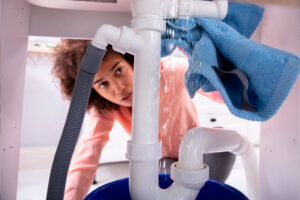
Hidden leaks are often the culprit. Even a pinhole leak in a pipe can waste hundreds of litres of water a day without you noticing, until the bill arrives, that is. The problem is, leaks inside walls or under floors can go unnoticed for months, racking up water charges the whole time.
To make things worse, in most cases insurance policies won’t cover damage from leaks if you could have caught them earlier. That means not only are you paying more for water, but you could also be stuck footing the bill for any repairs if the leak causes damage to your home.
💡 Will’s pro tip: A quick inspection from a plumber like me might seem like an annoying expense, but it’s a lot cheaper than watching your water bill climb while trying to figure out what’s causing it.
The mould and mildew nightmare
If there’s one thing mold loves, it’s a bit of moisture. Slow leaks under sinks, behind walls, or around toilets are basically a welcome mat for mold and mildew, and let me tell you, dealing with it is an absolute nightmare. The trouble is, once it takes hold, it’s tough (and expensive) to get rid of. Even worse, mold spores can cause respiratory issues, allergies, and other health problems, especially for kids, the elderly, or anyone with asthma.
The cost of fixing a leak is usually a fraction of what you’d pay for mould removal, which often means cutting into walls, replacing insulation, and using specialised cleaning products to get rid of spores for good. By dealing with leaks as soon as you spot them, you’re not just protecting your home, you’re protecting your health too. Don’t risk your family’s health over a leaky pipe.
💡 Will’s pro tip: If you notice musty smells, dark spots, or increased humidity around sinks or walls, it’s worth getting a professional to check for hidden leaks. Mold doesn’t just go away on its own, and the longer it’s left, the worse (and more expensive) it gets.
Structural damage: When water goes where it shouldn’t
It doesn’t take much water to cause a lot of damage, especially if it’s leaking into walls, ceilings, or foundations. Pipes running through walls or under floors can cause rot, rust, and even weaken the structural integrity of your home if they’re leaking.
The worst part? Most of the time, you won’t even know it’s happening until it’s too late.
Water-damaged timber, rusted metal supports, and cracked foundations aren’t just expensive to repair, they’re also a safety risk. In extreme cases, leaks can cause parts of walls or ceilings to collapse. I’ve seen ceilings come completely crashing down, and it’s not a pretty sight, leading to repair bills that can easily run into the thousands.
Investing in regular plumbing inspections might seem like an annoying expense, but catching issues before they cause major damage is a lot cheaper than rebuilding parts of your home from scratch. Think of it as looking after your biggest asset.
The risk of burst pipes
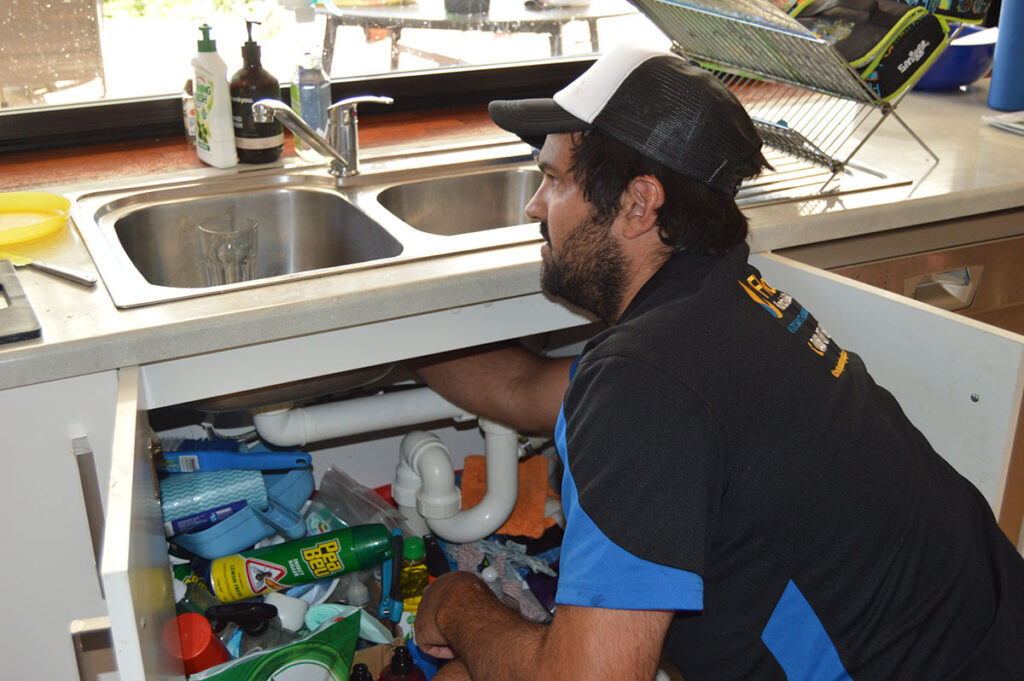
Delaying repairs on minor leaks or slow drains might seem harmless, but small issues have a way of turning into big ones fast, especially when it comes to pipes. A minor leak can mean there’s already corrosion or pressure build-up in your plumbing, which increases the risk of a pipe bursting. And when that happens, it’s not just about the water, you’re looking at water damage, ruined carpets, and potentially even electrical hazards if the water reaches power outlets.
A burst pipe can easily dump hundreds of litres of water into your home in a matter of minutes. Considering the cost of emergency plumbing services, water damage repairs, and replacing anything that gets soaked, putting off a small repair can end up costing you thousands.
💡 Will’s pro tip: Fixing small leaks and dealing with slow drains as soon as you notice them can save you a lot of money and stress down the line. Even if it’s just replacing a worn-out seal or clearing out a partial blockage, a bit of maintenance now is a lot cheaper than dealing with a flood later. Trust me on this one!
We recommend reading: The hidden cost of water leaks: Why early detection saves money.
Why waiting is the most expensive option
It’s easy to ignore small plumbing issues, especially when they don’t seem like a big deal. But the reality is, putting off repairs almost always makes things worse and more expensive. A quick fix today might cost you a few bucks, but waiting could mean thousands in water damage repairs, sky-high water bills, or even structural issues if leaks get into your walls or foundation.
The smartest move? Don’t wait. If you spot a leak, notice a drop in water pressure, or even just hear strange noises in your pipes, get a plumber to check it out sooner rather than later. It might feel like a hassle now, but it’s a lot less stressful than dealing with a full-blown plumbing emergency (and a massive bill) down the line.
Need help sorting out plumbing problems before they get worse?
If you’re dealing with leaks, blocked drains, or any other plumbing issues, give me and the team at Flowtec a call at 0488 097 697 or book a service online.
We can help sort things out quickly and affordably before a small problem becomes a big one. Give us a bell, and we’ll get it sorted like absolute legends.