There’s nothing quite like the stress of realising your hot water has given up just when you and the family need it most. It’s a huge inconvenience that always seems to happen at the worst possible time, and I’ve seen first-hand just how much of a headache it can be to find a replacement in a hurry.
Shopping for a new hot water system isn’t exactly the most thrilling way to spend a Saturday, but it’s one of those things you’ll be grateful for when an Adelaide winter hits. The right system can save you money, keep those showers toasty, and even shrink your energy bills.
But with all the different types out there—gas, electric, solar, heat pump—it’s easy to feel a bit lost.
So, let’s cut through the confusion and look at the pros and cons of each option to help you find the best fit for your home.
1. Gas hot water systems: Reliable and cost-effective
How it works:
Gas hot water systems heat water using either natural gas or LPG (liquefied petroleum gas). You’ve got two main types to choose from: storage systems, which keep hot water ready to go, and continuous flow systems, which heat water on demand as you need it.
Pros:
- Lower running costs: Gas is generally cheaper than electricity per unit, which means lower bills over time.
- Heats quickly: It’s a great option if you’ve got a bigger household and need plenty of hot water fast.
- Works during power outages: A handy bonus if you live in an area prone to blackouts.
Cons:
- Installation costs: Setting up gas lines can be a bit pricey if your home isn’t already connected.
- Limited availability: Not all areas here in SA have access to natural gas, so check before you get too attached to the idea.
Best for:
Families who use a lot of hot water or anyone looking to keep running costs down without the hassle.
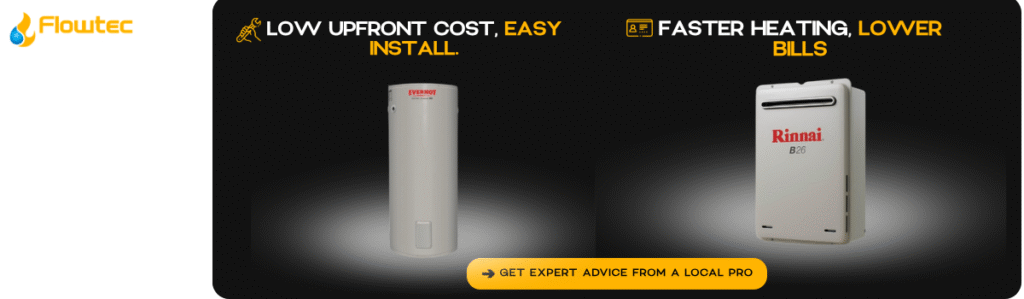
2. Electric hot water systems: Simple and easy to install
How it works:
Electric systems use heating elements inside a tank to warm up water. They’re straightforward to install and come in both storage and instantaneous versions. If you’ve already got solar panels on your roof, pairing them with an electric system can make things even more cost-effective.
Pros:
- Low upfront cost: Generally cheaper to buy and install compared to gas systems.
- Easier installation: No need for gas lines or flues, it’s a simple plug and go setup.
- Off-peak options: Some electric systems can heat water overnight at off-peak rates, saving you money.
Cons:
- Higher running costs: Electricity is usually more expensive per unit, so you might feel it on your quarterly bills.
- Not great during blackouts: No power means no hot water, simple as that.
Best for:
Smaller households or anyone looking for a budget-friendly upfront cost without overcomplicating things.
Will Pro Tip:
Still torn between the two? Check out my deep dive on Gas vs. Electric: Making the right choice for your home to see which one’s actually the better shout for your place.
3. Solar hot water systems: Green but not always cheap
How it works:
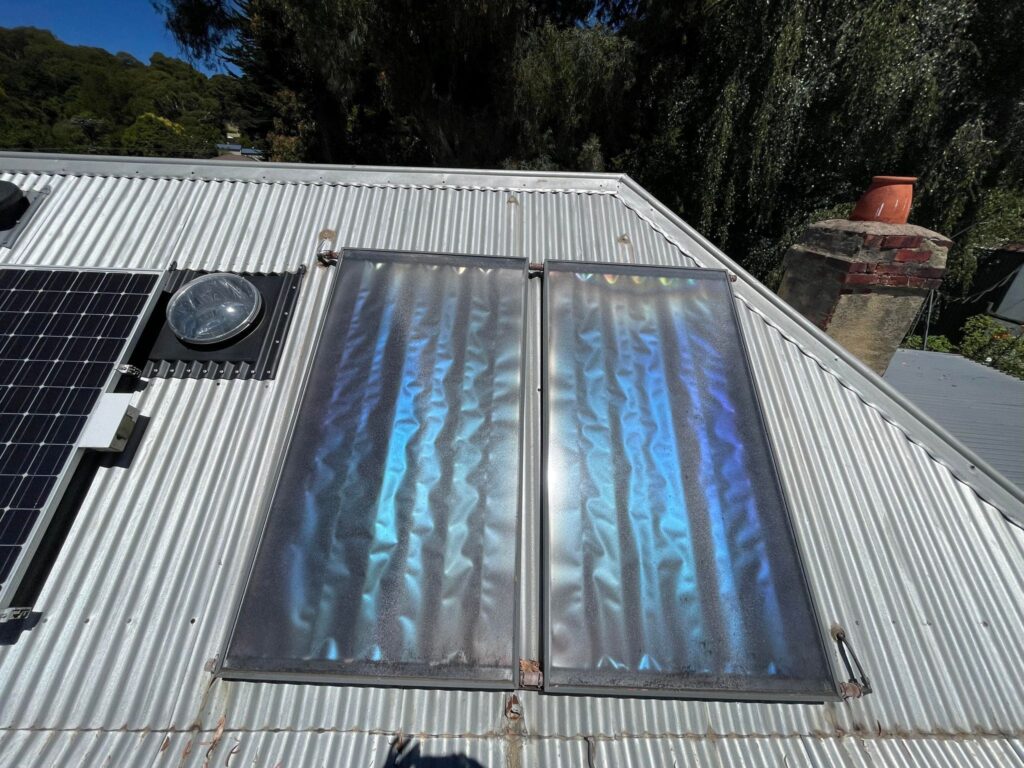
Solar hot water systems use rooftop panels to capture energy from the sun, which is then used to heat water stored in a tank. Most systems I install also have a gas or electric booster to ensure you’ve got hot water even on cloudy days.
Pros:
- Eco-friendly: Solar energy is renewable and can seriously cut down your carbon footprint.
- Lower long-term costs: After the upfront investment, you’ll spend much less on running costs, especially in our sunny climate.
- Government rebates: In many cases, you can score rebates or incentives for going solar, which can soften the blow of the initial cost.
Cons:
- High upfront cost: Solar systems are the priciest to install, even with rebates.
- Weather-dependent: Less effective in shady spots or during long, cloudy winters.
Best for:
Homeowners who plan to stay put for a while and want to slash those energy bills in the long run.
4. Heat pump systems: Efficient but climate-sensitive
How it works:
Think of a heat pump as a reverse fridge. It uses electricity to transfer heat from the air outside into water stored in a tank. They’re super efficient, using about 60% less electricity than standard electric systems, but they can struggle a bit in colder climates.
Pros:
- Great for solar setups: Works well with solar panels to maximise efficiency.
- Energy-efficient: Lower running costs compared to standard electric systems.
- Eco-friendly: Uses less electricity, which is great if you’re trying to go green.
Cons:
- Pricey upfront: Costs more than standard electric or gas systems to install.
- Climate matters: Efficiency drops in colder weather, so they’re not ideal if you live somewhere chilly.
Best for:
Homes in warmer climates or anyone already running a solar setup.
Will’s Verdict: Which one is right for you?
At the end of the day, picking a system is about what fits your daily routine.If you’ve got a big family and use a lot of hot water, gas might be the way to go. If you’re aiming to cut your energy use and already have solar panels, a heat pump or solar system could make sense. And if you’re on a budget, an electric system might be the simplest option.
A quick chat with our team can help clear things up. We can look at your home’s layout, your energy usage, and what’s available in your area to help you make the right call.
Don’t get left in the cold
Hot water is one of those things you don’t think about until you don’t have it. Weigh up the upfront cost, running expenses, and how long you plan to stay in your home. Getting advice from someone who knows the ins and outs of these systems can save you a lot of hassle (and cold showers) later on.
If you’re still not sure which way to go, give Flowtec a call at 0488 097 697 or book a service online. We’re happy to chat through the options and help you find the perfect fit for your home.