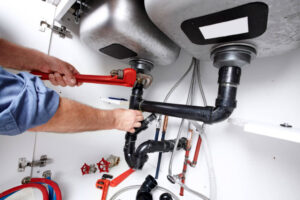
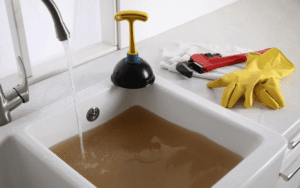
Look, I’ll be straight with you: picking a plumber for your home renovation isn’t the most exciting part of the project, but it’s definitely one of the most important calls you’ll make. A great plumber can save you from leaks, water damage, and a whole lot of stress. A not-so-great one? Well, mate, that’s how you end up with surprise costs and pipes that sound like they’re auditioning for a horror movie.
So, how do you find a plumber you can trust without spending hours reading reviews or guessing based on gut feeling? Here are my simple but effective tips to help you choose the right plumber contractor for your reno in Adelaide.
1. Make sure they’re licensed and insured
First things first: a licence isn’t just a piece of paper—it’s proof that a plumber knows what they’re doing and can legally work on water, gas, and drainage systems in South Australia. Insurance is just as important, covering you if something goes wrong during the reno.
- Check their licence: You can look it up online through Consumer and Business Services (CBS). If they don’t have a valid licence, that’s your cue to walk away, mate.
- Ask about insurance: Make sure they’ve got public liability insurance to cover any accidental damage or injuries.
- Experience counts: A licence is great, but experience is king. Ask if they’ve tackled a reno like yours before.
Will’s Pro tip: Always ask to see the physical card or a photo of it. A real pro will never be offended by you double-checking.
2. Get the Price in Writing (No “Guestimates”)
Ever been hit with a surprise bill that’s twice what you expected? It’s a shocker. That’s why written quotes are a lifesaver. They spell out exactly what you’re paying for—no guesswork, no hidden costs.
- Itemised costs: Make sure the quote includes labour, materials, and any potential extras.
- Timeline: A clear estimate of how long the job will take.
- Terms and conditions: Cancellation policies, payment schedules, and any warranties should all be in writing.
Trust me, if a plumber gives you a vague quote or avoids putting it in writing, that’s a massive red flag in my book.
3. Local experience is a big plus
Plumbing rules can vary a lot between states—and even between different councils in Adelaide. A local plumber knows the ins and outs of South Australian regulations and can save you a lot of headaches when it comes to getting council approvals.
- Knowledge of local regulations: A local plumber knows Adelaide’s plumbing codes and what permits you’ll need.
- Faster response times: If something goes wrong mid-reno, a local plumber can get to you quicker.
- Understanding local issues: From hard water to clay soils, we locals know the common plumbing problems in Adelaide homes.
🛠️ You might be interested in: Kitchen renovation plumbing — How to avoid costly mistakes
4. Reviews are worth their weight in gold
You can learn a lot from what past customers have to say—like whether a plumber shows up on time, sticks to their quotes, or leaves your house looking like a cyclone hit it.
- Google Reviews: Check the comments, not just the star rating. A bunch of five-star reviews with zero details is always a bit suss.
- Local Facebook groups: Adelaide has plenty of community groups where locals share recommendations.
- Ask around: Friends, family, or neighbours who’ve recently renovated can give you honest feedback.
Will’s Pro tip: Look for reviews that mention “cleanliness.” If a plumber respects your home during a messy reno, they’re a keeper.
5. Ask about warranties and guarantees
A warranty isn’t just a nice bonus—it’s a sign that a plumber stands by their work. Most good plumbers offer at least a 12-month warranty on parts and labour, so if anything goes wrong, you’re covered.
- What’s covered: Make sure the warranty covers both parts and labour.
- How to claim: Find out if they handle warranty claims themselves or try to pass you off to the manufacturer.
- Get it in writing: A verbal guarantee won’t do much good if something goes wrong.
6. The “Vibe Check”: Why Communication Matters
Renovations are stressful enough without your plumber ghosting you. If they don’t answer your calls before they have your money, imagine how hard they’ll be to find later!
- Quick responses: If they take days to reply to emails or calls before you’ve hired them, that’s a fair warning of what’s to come.
- Clear explanations: A good plumber should be able to explain what needs doing without a lot of confusing jargon.
- Willingness to listen: If they brush off your questions or try to upsell you without listening to what you want, that’s a red flag.
If a plumber seems annoyed by your questions now, it’s not going to get better once the job starts.
7. Price isn’t everything—but it’s something
It’s tempting to go with the cheapest quote, but rock-bottom prices usually mean shortcuts on quality or hidden fees that show up later. The goal is to find a plumber who offers good value for money—not just the lowest price.
- Look at what’s included: A cheap quote might leave out things like fittings, permits, or disposal fees.
- Ask why they’re cheaper: There might be a good reason, or it might just mean lower quality materials or less experience.
- Mid-range is usually safer: Quotes that are way higher or lower than the rest are usually a sign to dig deeper.
If a plumber pressures you to accept a quote on the spot, that’s a reason to walk away.
Choose wisely, save yourself a headache
Picking the right plumber can make all the difference to how smoothly your renovation goes—and how much cash stays in your wallet. Taking a bit of time to check licences, compare quotes, and read reviews can save you from a lot of stress (and surprise bills) down the line.
If you’re planning a reno, a quick chat with a reliable plumber can help you figure out what’s doable, what it’ll cost, and how to avoid common pitfalls.
Need help getting your renovation ready?
We’re here to help. If you’re ready to get started, give me and the team at Flowtec a call at 0488 097 697 or contact us here. We can help you plan your plumbing properly—so you can focus on the rest of your renovation without any nasty surprises. We’re always happy to help a neighbour out.