G’day! Will here. I’ve seen it happen time and time again. You get a frantic call from a tenant late on a Sunday, and suddenly you’re dealing with a flooded kitchen. As a landlord, maintaining your property isn’t just about keeping it looking good, it’s about preventing costly repairs, avoiding tenant complaints, and protecting the long-term value of your investment.
While plumbing isn’t the most exciting part of property ownership, neglecting it can lead to leaks, water damage, and unexpected emergencies that cost thousands to fix.
The best way to avoid major plumbing disasters? Stay ahead of potential issues with regular maintenance.
If you own a rental here in Adelaide, here are five key plumbing checks every landlord should prioritise to keep their rental property in top shape.
1. Check for hidden leaks before they become costly repairs
A slow drip might not seem like a big deal, but even a minor leak can waste thousands of litres of water per year—driving up utility bills and causing long-term damage to walls, ceilings, and floors. Worse, hidden leaks behind walls or under floors can go unnoticed until they cause mould growth, wood rot, or structural damage.
What you should do, mate:
- Schedule annual plumbing inspections to check for leaks in pipes, taps, and toilets.
- Ask tenants to report any signs of damp spots, discoloured walls, or unexplained water pooling immediately.
- Look for water meter fluctuations—if no water is running but the meter is still ticking, you might have a leak.
Why it matters: Catching leaks early stops structural damage in its tracks, saves you thousands in repairs, and keeps your property in great condition.
💡 We recommend reading: The hidden cost of water leaks: Why early detection saves money
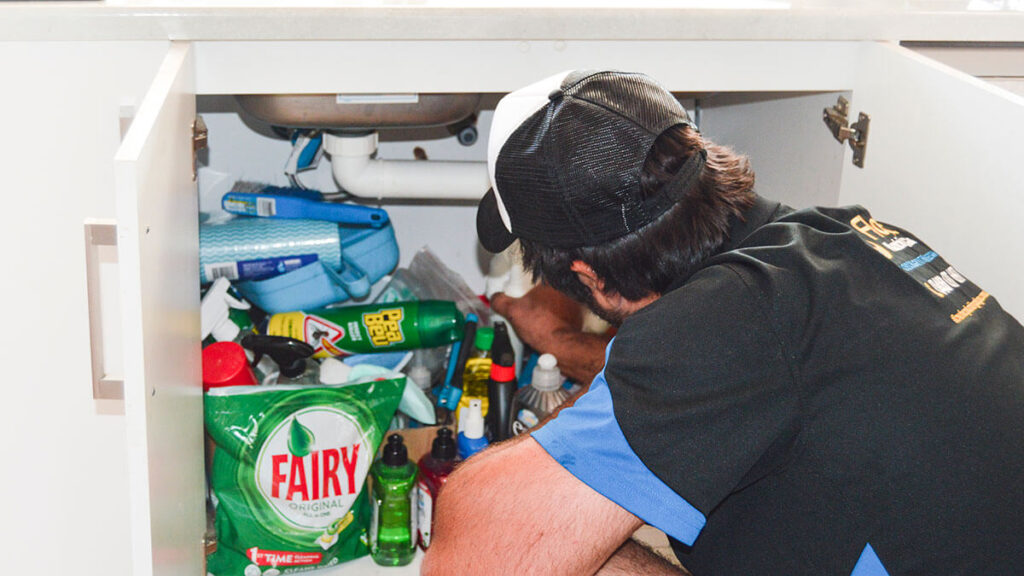
2. Keep drains and gutters clear to prevent blockages
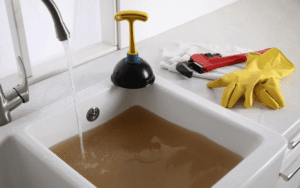
Blocked drains are one of the most common tenant complaints—and they can escalate fast. Whether it’s hair clogging a shower drain or tree roots invading the pipes, a blockage can lead to slow drainage, bad odours, and even sewage backups.
What you should do, mate:
- Ensure tenants know what not to flush or pour down the drains (wipes, grease, food scraps, coffee grounds).
- Arrange for regular drain inspections, especially if the property has older pipes prone to blockages.
- Clean gutters and downpipes seasonally to prevent water pooling near the foundation.
Why it matters: Blocked drains don’t just inconvenience tenants—they can cause serious plumbing damage if left untreated.
Will’s Pro tip: A quick, friendly reminder to your tenants at the start of their lease about what goes down the sink can save you a massive headache later!
3. Service the hot water system to avoid breakdowns
Few things cause tenant frustration faster than waking up to no hot water on a chilly morning. A failing hot water system isn’t just an inconvenience—it can lead to expensive emergency repairs or full system replacements if neglected.
What you should do, mate:
- Schedule annual servicing of the hot water system, including flushing out sediment build-up.
- Check for rust, leaks, or fluctuating water temperatures—signs the system might be failing.
- Know the system’s age—if it’s over 10 years old, plan for a replacement before it fails.
Why it matters: Preventative maintenance ensures tenants aren’t left without hot water—and you’re not stuck with an emergency replacement bill.
4. Inspect and insulate pipes to prevent bursts
A burst pipe can be one of the most expensive and disruptive plumbing disasters for landlords. It can flood a property, destroy flooring, and lead to long vacancy periods while repairs are made.
What you should do, mate:
- Inspect exposed pipes for cracks, leaks, or signs of wear, especially in colder areas.
- Insulate outdoor and unheated indoor pipes to prevent freezing in winter.
- Ensure tenants know how to shut off the main water supply in an emergency (this is a lifesaver, honestly).
Why it matters: Preventing pipe bursts is far cheaper than dealing with water damage, mould remediation, and stressful insurance claims.
💡You might be interested: Home plumbing emergency preparedness: What homeowners in Adelaide should know
5. Ensure all plumbing fixtures are in good working order
Tenants expect everything in their rental property to work properly—especially plumbing fixtures. Dripping taps, running toilets, or faulty showerheads might seem minor, but they create a negative living experience and can waste water, increasing utility costs.
What you should do, mate:
- Check for dripping taps or constantly running toilets, which can waste a lot of water.
- Ensure showerheads and taps have proper water pressure—low pressure could indicate pipe issues.
- Upgrade to water-efficient fixtures to save on bills and make the property more eco-friendly.
Why it matters: A well-maintained property attracts better tenants, reduces turnover, and increases long-term value—it’s a win-win.
A Small Investment that protects your property
Plumbing maintenance might not be at the top of every landlord’s priority list, but take it from me: preventative care is always cheaper than emergency repairs.
Need a hand getting your rental property in top shape? We’re here to help you out. Whether you need a routine maintenance check or want to make sure your property is emergency-ready, give me and the boys at Flowtec a call at 0488 097 697 or contact us here. We’re always happy to help you protect your investment.