Let’s be honest…
Blocked drains are one of those dramas that always show up at the worst possible time — right before guests arrive, in the middle of a shower, or when you’re elbow-deep in the kitchen sink trying to clean up after dinner.
Most of us think, “Well, that’s just bad luck.” But the truth is, it usually isn’t. It’s the little everyday habits that build up over time. A bit of hair here, a splash of grease there… before you know it, you’re standing in ankle-deep water wondering what went wrong.
The good news? Most of these blockages are easy to prevent once you know what’s behind them. With a few small changes, you can keep your drains flowing smoothly, save yourself a lot of frustration, and avoid a surprise call-out fee.
So, let’s break down the top five culprits that cause blocked drains — and what you can do to stop them before they turn into bigger, costlier problems..
1. Hair: The shower drain’s worst enemy
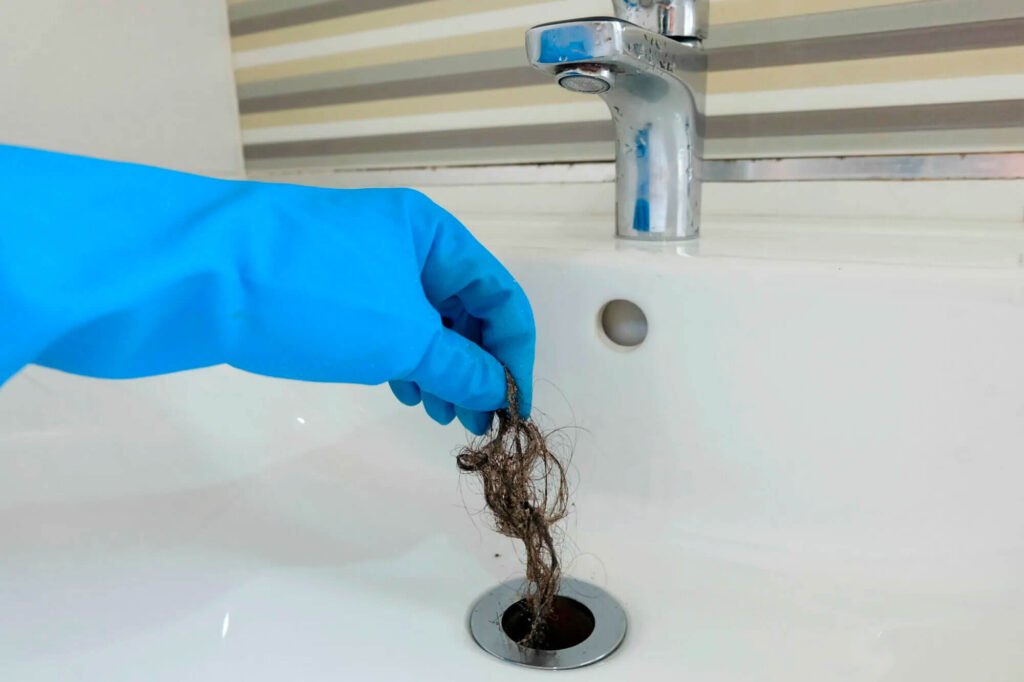
Hair might seem harmless when it goes down the drain, but once it gets tangled up with soap scum, dirt, and shampoo residue, it forms stubborn clumps that can completely block your pipes. It’s one of the most common reasons showers drain slowly — especially in busy households where multiple people are using the same bathroom.
And here’s the thing: you don’t notice it happening right away. It builds up gradually until one day you’re ankle-deep in water halfway through your shower.
How to prevent it:
- Use a drain strainer: A simple strainer over the drain can catch hair before it gets a chance to go down the pipes. Clean it out every few days to keep it working effectively.
- Flush with hot water: Pouring a kettle of boiling water down the drain once a week can help dissolve soap scum and move hair clumps along before they build up.
- Try a baking soda and vinegar flush: Pour half a cup of baking soda down the drain, followed by a cup of vinegar. Let it fizz for 15 minutes, then flush with hot water. This can help break down grease and soap scum that hair tends to cling to.
If you’re reaching for the plunger more often than your shampoo, it might be time to call a professional to snake the line and clear it properly. A quick inspection can save you from worse problems later on.
You might also want to check for hidden leaks that could be adding to the issue
2. Cooking grease and oil: The silent sink clogger
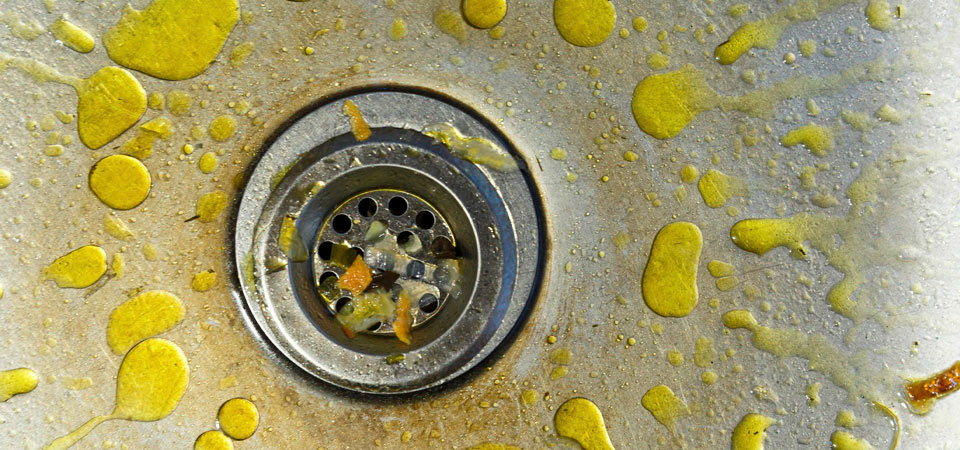
Pouring hot grease down the kitchen sink might seem harmless—after all, it’s liquid, right? The trouble is, once it cools, that grease hardens and sticks to the inside of your pipes. Over time, it traps food scraps and other debris, building up into a nasty clog that no amount of hot water will fix.
If you’ve ever noticed a slow-draining kitchen sink with that unpleasant “gurgling” sound, there’s a good chance grease is the culprit.
How to prevent it:
- Let it cool and bin it: Pour leftover grease and oil into a container, let it cool, and toss it in the bin instead of down the drain.
- Wipe pans with paper towels: Before washing greasy pots and pans, wipe them out with paper towels to soak up the worst of it.
- Install a grease trap: If you’re a serious home cook (or just fry a lot), a small grease trap under the sink can help catch grease before it makes it to the main pipes.
Pro tip: Avoid rinsing oil-based sauces or salad dressings down the drain — they can do just as much damage as cooking oil..
You might also like: 6 Ways to Unblock a Drain (Without Calling a Plumber)
3. Soap scum: A sneaky troublemaker
Here’s something most people don’t think about — your soap could be part of the problem. Traditional bar soaps are made from fats or oils that mix with minerals in hard water to form soap scum, that chalky, sticky residue that clings to tiles, shower glass, and inside your pipes.es and trap hair, dirt, and other debris, leading to slow drains or full-on blockages.
Over time, soap scum builds up layer by layer, narrowing your pipes and trapping more debris like hair, dirt, and skin flakes. It’s one of those slow-forming blockages that can be tricky to spot until your drain starts running slow or smells a bit off.
How to prevent it:
- Switch to liquid soap: Liquid body washes and detergents don’t contain the same fats as bar soaps, which means they’re less likely to cause scum build-up.
- Use a water softener: If you’ve got hard water, a softener can help reduce the minerals that soap scum clings to.
- Regular flushing: Once a month, pour a kettle of hot water mixed with a bit of dish soap down the drain to help break down soap scum.
If you notice water draining slowly or a slimy residue around the drain, soap scum could be the culprit.
4. Tree roots: The underground invaders
Now, this one’s not inside your house — but it’s one of the biggest causes of serious drain blockages in Adelaide and across South Australia. Tree roots can be sneaky and surprisingly powerful. All it takes is a tiny crack or joint in an underground pipe, and roots will find their way in, searching for water. Once they’re inside, they grow and spread, eventually blocking the flow completely — or worse, cracking your pipes.
You might not notice it straight away, but signs include multiple slow drains, strange gurgling sounds, or even water pooling in the yard.
How to prevent it:
- Be mindful of where you plant: Avoid planting trees or large shrubs near sewer lines or main pipes. Tree roots can extend much farther than you might think—sometimes up to 20 metres.
- Schedule a CCTV inspection: If your home’s older or surrounded by trees, a camera inspection can spot roots in the pipes before they cause major damage.
- Use root barriers: Installing physical barriers can help guide roots away from pipes, keeping them safe from invasion.
If all the drains in your home are slow or gurgling, it could be a sign of tree root infiltration in your main sewer line.
Pro tip: Staying on top of simple maintenance can save you hundreds. Read more at The Hidden Benefits of Regular Plumbing Maintenance
5. Food scraps: Not everything belongs in the sink
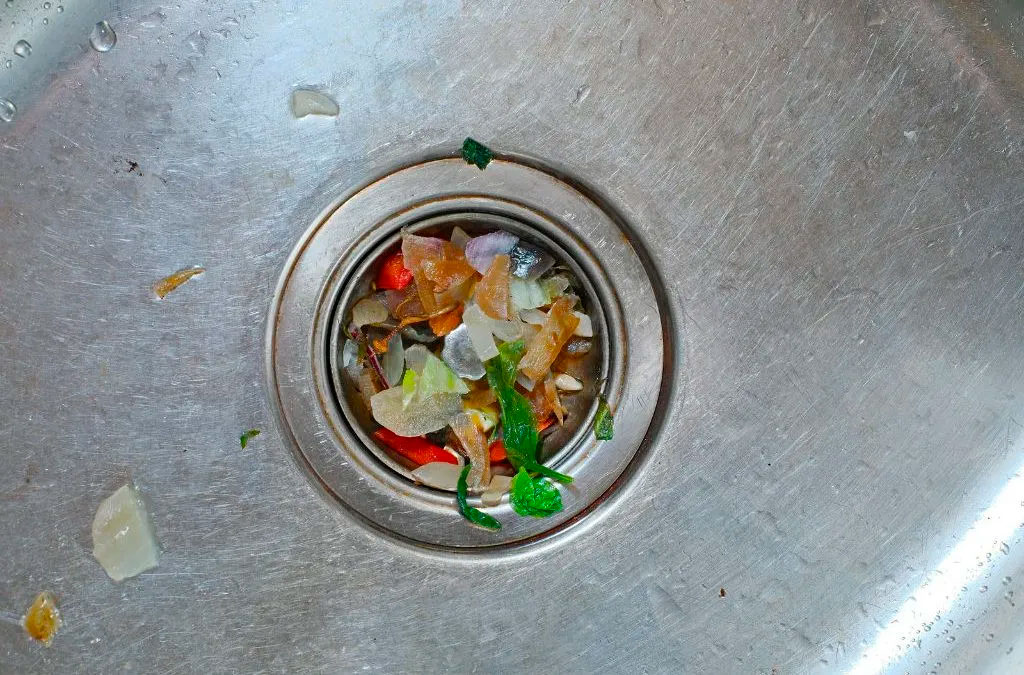
Even with a garbage disposal, some foods are better off in the bin. Coffee grounds, rice, pasta, eggshells, and fibrous veggies like celery or pumpkin skin are all classic culprits. They don’t break down easily and often combine with grease and soap scum to form a sludgy blockage that’s tough to move.
The problem is, kitchen sinks get used so often that even small habits add up quickly. One or two scraps here and there can turn into a full blockage before you realise it.
How to prevent it:
- Scrape plates into the bin: Even small amounts of food can add up over time, so get in the habit of scraping plates before washing them.
- Run the disposal with cold water: Cold water keeps grease in a solid state, so it can be chopped up and flushed through more easily.
- Install a sink strainer: This simple fix catches food scraps before they go down the drain—just remember to empty it regularly.
Avoid putting starchy foods like rice or pasta down the drain. They expand when they absorb water, making them a top cause of kitchen blockages.
Also worth reading: Kitchen Renovation Plumbing — Avoiding Costly Mistakes
A little prevention goes a long way
Blocked drains might be a pain, but they’re usually preventable with a few simple habits. A few simple habits — like being careful about what you put down the sink and doing regular hot water flushes — can make all the difference.
The key is not to ignore the early warning signs: gurgling sounds, slow drains, or bad smells. Fixing small blockages early will save you from burst pipes, water damage, or even full system replacements down the track.
Need a hand?
If your drain’s giving you grief, give Flowtec Plumbing near you a buzz at 0488 097 697 or book a service online. We’ll sort it out quickly, cleanly, and make sure your drains are running smoothly again — no mess, no stress.