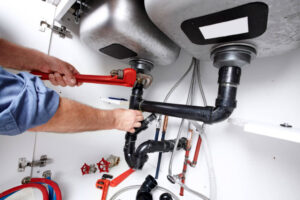
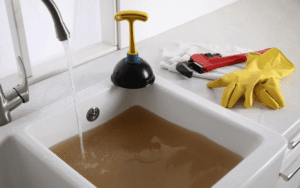
I know the feeling. You finally sit down to relax after a long week, or you’ve got friends coming over for a Sunday BBQ, and suddenly—disaster strikes. From burst pipes to overflowing toilets, these situations are incredibly stressful. I’ve seen how much panic they can cause, especially when you’re worried about water damage in your home.
But here’s the good news: with a little bit of preparation, you can handle most of these surprises calmly. You don’t need to be an expert to keep your home safe.
If you’re a homeowner here in Adelaide, here is my personal guide to dealing with plumbing emergencies quickly and effectively, so you can get things back to normal without the headache.
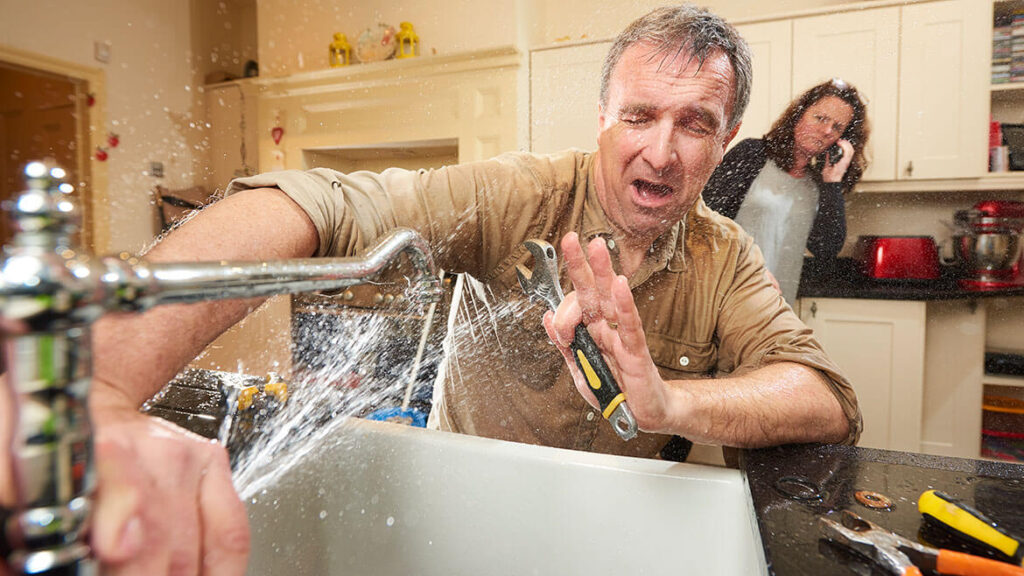
Know where your main water shut-off valve is—and how to use it.
Look, this might sound obvious, but I see it all the time: homeowners have no idea where their main water shut-off valve is—until they’re ankle-deep in water and panicking. The shut-off valve is your first line of defence in almost any plumbing emergency, whether it’s a burst pipe, a leaking water heater, or an overflowing toilet.
In most Adelaide homes, you’ll find it either outside near the water meter or inside, usually under the kitchen sink or in the laundry. Once you find it, do me a favour: make sure it actually works. Valves that sit untouched for years can seize up. Next time you’re in the garden or laundry, give it a gentle turn clockwise to shut it off, check a tap, and turn it back on. If it’s stuck, let’s get that fixed for you now so it doesn’t fail you when you really need it.
Will’s Pro tip: Check under your sinks and behind the toilet for isolation valves. It’s much easier to turn off just one tap than to shut down the whole house!
🛠️ You might be interested in: Home plumbing emergency preparedness: What homeowners in Adelaide should know.
Create an emergency plumbing toolkit
Most plumbing emergencies can be managed—at least temporarily—if you’ve got a few basic tools on hand. A well-stocked emergency plumbing kit can save you from making things worse or waiting hours for me or one of the boys to arrive.
At a minimum, your kit should include a plunger, an adjustable wrench, plumber’s tape, a pipe wrench, a pair of heavy-duty gloves, and a bucket.
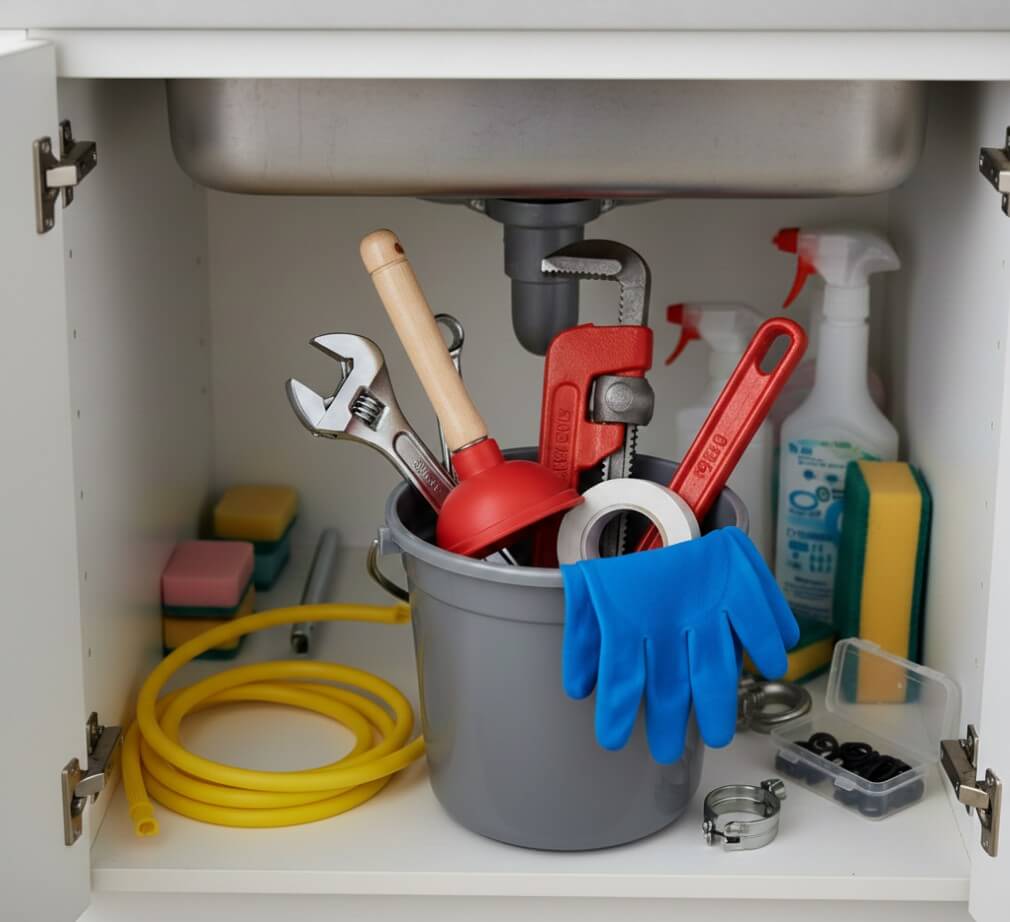
If you want to be extra prepared, add in a drain snake for blockages, a pipe repair clamp for leaks, and some spare washers and O-rings for those surprise drips that never seem to stop. Plumber’s tape (also known as PTFE or Teflon tape) is a lifesaver for sealing minor leaks until we can get it fixed properly. It’s cheap, easy to use, and can hold things together surprisingly well in a pinch.
Why it matters: Having the right tools isn’t just about fixing problems; it’s about preventing them from getting worse until a plumber can take over. A $20 toolkit can save you hundreds in water damage repair, so it’s worth having one stashed under the sink or in the garage.
Learn to spot the signs of hidden leaks
Not all plumbing emergencies come with geysers of water or obvious puddles on the floor. Slow leaks behind walls or under floors can cause just as much damage if they go unnoticed for too long. The problem is, they’re often easy to miss—until you get a sky-high water bill or notice mould starting to spread.
One of the easiest ways to check for hidden leaks is to turn off all taps and appliances, then take a look at your water meter. If it’s still ticking over, that’s a pretty good clue that you’ve got a leak somewhere, mate. Water stains on walls or ceilings, musty smells, or warped floors are also big red flags that something’s not right.
Know how to deal with common emergencies—fast
When things go wrong, try to stay calm. Knowing what to do in those first few minutes makes all the difference.
- Burst Pipes: Shut off the main water valve immediately to stop the flow. Then, open all the taps to drain the remaining water in the system and relieve pressure.
- Sink Leaks: Turn off the individual shut-off valve (if there is one) and use plumber’s tape to seal the leak temporarily.
- Overflowing Toilet: Take the lid off the tank and lift the float to stop more water from filling the bowl—then shut off the valve behind the toilet.
- Blocked Drains: Skip the chemical drain cleaners—trust me, they can do more harm than good by eating away at pipes. A plunger or drain snake is a safer bet, and if that doesn’t work, it’s time to call in a professional.
Why it matters: Acting quickly can mean the difference between a minor inconvenience and a major disaster. Even temporary fixes can buy you enough time to get a plumber in before things get worse.
💡 We recommend reading: How does the plumbing system work and why is it important to maintain it?
Have a plumber’s number saved—just in case
No matter how well-prepared you are, sometimes you just need a professional to step in. Having a trusted plumber’s number saved in your phone can save you a lot of stress when you’re dealing with burst pipes, gas leaks, or blocked sewer lines.
When choosing a plumber, look for someone local to Adelaide who’s licensed and insured, with good reviews and a 24-hour emergency service. Even if you’ve never needed a plumber before, it’s worth doing a bit of research now rather than scrambling to find one at 2 a.m.
Plumbing emergencies are never convenient, but being prepared can make them a lot less stressful. Knowing where your shut-off valves are, keeping a few basic tools handy, and having a plumber’s number saved can turn a potential disaster into a minor inconvenience.
The best part? Most of these steps are quick, easy, and cost next to nothing—especially compared to the price of water damage repairs. So take a few minutes now to get prepared, and you’ll thank yourself later.
Need help getting your plumbing emergency-ready?
We’re here to help. If you want to check your valves, upgrade your pipes, or just want to make sure your home is emergency-ready, give me and the team at Flowtec a call at 0488 097 697 or contact us here, we’re always happy to help a neighbour out.