Hi, Will here from Flowtec Plumbing & Gas.
Summer’s just around the corner, and for most Adelaide households that means a full house. The kids are home, the rellies are coming over for Christmas, the barbie’s getting a workout and the backyard’s busier than it’s been all year.
It’s also the time those little plumbing jobs you’ve been putting off start to bite. The toilet that needs a couple of flushes. The tap in the laundry that’s been dripping since winter. The shower that takes a bit too long to drain. None of it feels urgent right now, but trust me, it’s a different story on Boxing Day with twelve people in the house.
So here’s what I’d have a look at around your place before the summer rush kicks in.

1.Check your toilets before the visitors rock up
Your toilet’s one of those things you never think about until it stops working, and it always seems to happen at the worst possible time.
If it’s running constantly, needs a few goes to clear, or is making noises it didn’t used to, get it looked at. A lot of the time it’s a fairly simple fix inside the cistern. With an older toilet though, it can make more sense to just replace it rather than keep patching it up.
If you’ve been thinking about freshening up the bathroom anyway, a new toilet is a decent upgrade without going down the full reno path.
My advice? Don’t wait until you’ve got a house full of guests to find out the loo’s had it. Have a read about our toilet repairs and replacements if you want to know what’s involved.
2.Don’t ignore slow or blocked drains
A sink, shower or outside drain that’s running slow is telling you something.
Blockages build up over time. What starts as a bit of a nuisance can end up stopping the drain altogether, and usually right when you need it most.
Inside, keep an eye out for sinks and showers that take longer than they should to empty, blockages that keep coming back, or a bit of a pong coming up from the drains.
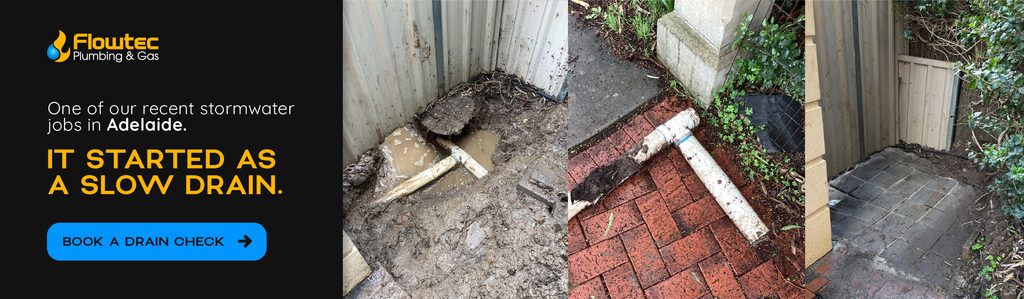
Outside, check your stormwater grates aren’t buried under leaves, dirt and rubbish, especially around the patio, driveway and wherever you do your entertaining.
If the same drain keeps blocking up, there’s a reason for it. Tree roots, a cracked pipe, a build-up further down the line. Rather than having another crack at it yourself every few weeks, it’s worth getting a plumber in to find out what’s actually going on. That’s the bread and butter of our blocked drains service in Adelaide.
And go easy on the chemical drain cleaners from the supermarket. They’re not always the answer and they can cause you other headaches down the track.
3.Fix those dripping taps and small leaks
Everyone’s got a dripping tap they’ve been meaning to get to.
It’s easy to ignore when everything else is working fine, but leaks waste water and they’re often a sign of a worn washer, a tired cartridge or something else that needs attention.
Have a quick look around the kitchen, bathroom and laundry. Check for dripping taps, water pooling in the cupboard under the sink, or damp spots where there shouldn’t be any.
Don’t forget the outside taps either. They cop a fair bit more use over summer with the garden, washing the car and the kids mucking around with the hose.
If something’s leaking, getting it sorted early is nearly always cheaper and easier than waiting for it to turn into a bigger job. Our general plumbing and leak repairs
4.Make sure your hot water’s doing its job
Even in the middle of an Adelaide heatwave, nobody wants a cold shower they didn’t ask for.
If your hot water becomes a bit hit and miss, takes longer to heat up, or isn’t getting as hot as it used to, don’t just put up with it.
Every system’s a bit different depending on what type it is and how old it is, so it’s worth getting proper advice before you decide whether it needs a repair or a replacement.
If you’ve got family staying over the holidays, it’s also a good time to ask yourself whether your current system can actually keep up with everyone. Have a look at our hot water system repairs and replacements.
5.Check your outdoor plumbing
Summer means more time outside, so it’s worth a walk around the yard to check the plumbing out there too.
Look for leaking garden taps, split hoses and dodgy fittings, and any spots where water’s sitting around when it shouldn’t be.
Keep the stormwater grates you can reach clear of leaves and muck.
If you’ve noticed water backing up or pooling around the house, particularly after a good bit of rain, there could be a drainage problem that needs a proper look. The main thing is finding the cause, not just mopping up the water you can see. If that sounds like your place, our stormwater and drainage work is a good place to start.

A few plumbing questions people ask me before summer
Should I get a slow drain checked if it’s still draining?
If it’s noticeably slower than usual or it keeps coming back, yeah, I’d get it checked. A slow drain that won’t stay clear is often the early sign of a blockage building up.
Is it better to repair or replace an old toilet?
It really depends on the condition of the toilet and what’s actually wrong with it. Some problems are a quick fix. If it’s getting on a bit or giving you grief every few months, replacing it might be the smarter call.
What should I do if I find a leak?
If it’s safe, turn off the tap or isolate the water supply to stop any more damage, then give a plumber a call to track down where it’s coming from. If there’s water anywhere near power points or electrical fittings, keep well clear and get the right professional help.
Can you check a few small jobs in one visit?
Most of the time, yes. If you’ve got a couple of taps, a toilet and a drain that all need a look, just let us know when you book. We’ll talk through what needs checking and plan the visit around it.
Get the little plumbing jobs sorted before summer
Getting your place ready for summer doesn’t need to be a big project.
It’s really just about noticing the things that aren’t working quite right and getting them fixed before they turn into a bigger pain.
A dripping tap, a slow drain or a toilet that’s been playing up might only need a quick repair.
If you’ve got a few plumbing jobs on the list around Adelaide or the Adelaide Hills, give us a bell at Flowtec . We’ll have a chat about what’s going on and help you work out what needs doing.
Cheers,
Will and the Flowtec team